Reka Cables specializes in manufacturing high quality cables fitted for the challenging Nordic circumstances. Their success in the cable business is built on the right technology as well as the right competencies to get the most out of chosen technologies. Cost and quality should never be compromised in cable production.
Reka Cables is one of the biggest cable producers in Finland with an annual turnover of EUR 85 million. To its customers, Reka offers a wide variety of installation and power cables from low voltage to 170 kilovolts. Reka’s main markets are in the Nordic countries and the Baltics with sales subsidiaries in Sweden, Norway, Denmark, Estonia and St. Petersburg, Russia.Co-operation with Maillefer began already in the late 90's, when Reka decided to expand from building wire and low voltage to medium and high voltage cable production.
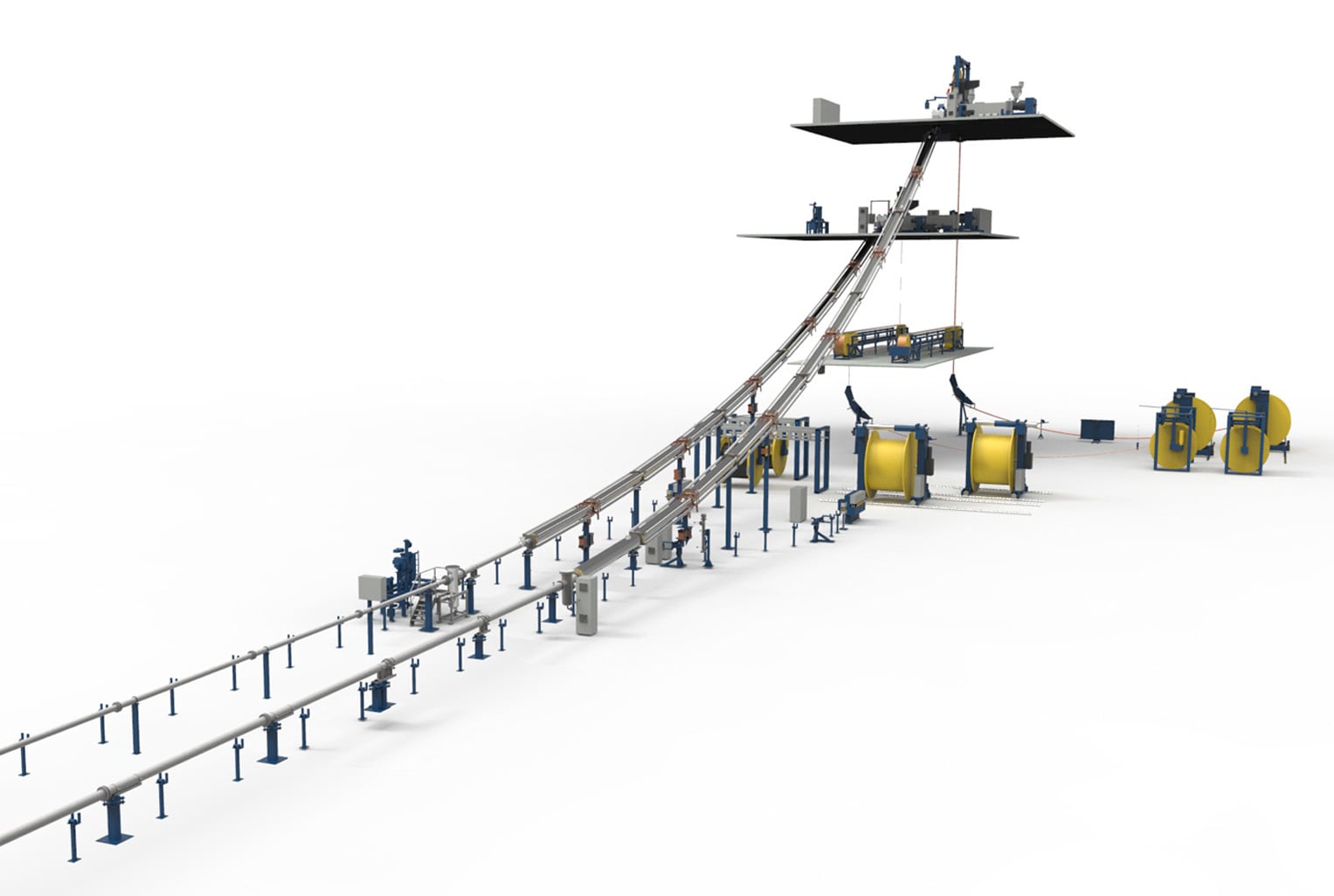
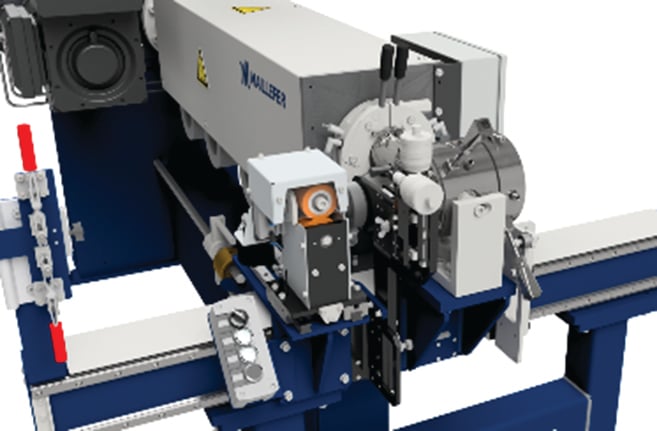
Reka and Maillefer share a keen interest in improving cable production operations at all levels. High quality is a must, and it has to be achieved with the minimum cost of ownership. The companies engage in joint product testing on Reka’s production lines, especially in extrusion and crosslinking processes. Maillefer’s newest screw and crosshead designs, for example, have improved Reka’s production processes significantly. For Reka, this has been a perfect way to stay ahead of competitors.
At the moment, there is a huge need to find the most sustainable solutions. Thanks to close cooperation with Maillefer’s competent specialists, Reka has managed to achieve short delivery times and flexibility in production as well as savings in material, energy and operation costs.
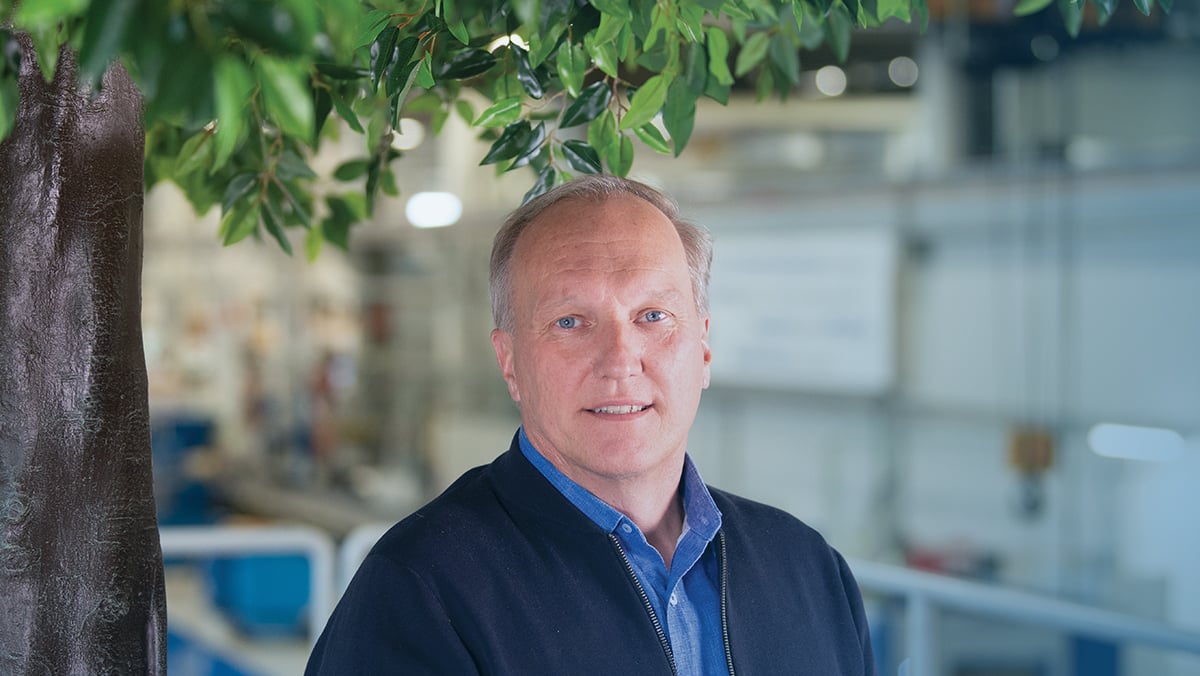
“We feel that sustainability can always be improved throughout the production lifecycle. In that respect, Maillefer has been a great business partner,” sums up Jari Henttonen, Reka’s Production Director.
1.11.2026
Assemble and pay-off quality core assemblies ready for jacketing of fiber premise cables with the new KN450 planetary strander. Its modular design lets you multiply the cable-making possibilities. Read more
27.10.2026
Customers in special pipe & tube applications share something in common. They have an individual requirement, a particular product design, a specific production constraint, and they come to us looking for a specific solution. Their manufacturing need is out of the ordinary, where Maillefer excels with a unique and knowledgeable response. The diversity is revealed through the few examples that follow. Read more
21.10.2026
The beginning of a new era in process control is underway, where cable systems evolve from static predefined logic to smart adaptive layers that overlay physical equipment. Read more
7.10.2026
The KWB is an automatic dual coiler/reeler engineered to wind tube onto Maillefer stainless steel turrets for self-supported coils or onto customer reels. It especially responds well to wind medical tube but also excels with small-diameter tube and specialty tubes. Read more
23.9.2026
At Maillefer, we don’t just deliver solutions; we forge lasting partnerships. Our House of Experts model includes the ability to strengthen ties and build upon shared journeys. It goes beyond advanced technologies. Read more
16.9.2026
Over the past 30 years, Maillefer has delivered and started hundreds of catenary continuous vulcanization (CCV) lines globally. We can confirm that successful cable quality needs a perfect interaction between all the various components in a CCV line. To that end, Maillefer and Sikora GmbH, invented a means for securing the cable quality for both past delivered CCV lines and those to be delivered in the future. They named the device Siccon 600. Read more
9.9.2026
In today’s business environment, we continuously adapt our solutions, tactics, and technologies to navigate and optimize the steps ahead. It is essential, as a leader, to shape your markets, business drivers, and the technology that enables future success. Read more
2.9.2026
The productivity of an optical cable manufacturing line can be significantly improved by increasing line speed. The buffering process has introduced entirely new limits for these speeds, making the start-up procedure increasingly important. A rapid ramp-up to production speed may generate substantial scrap before the process stabilizes. Read more